
Close Menu
Mahi Tech Info
    Facebook X (Twitter) Instagram
    Trending
    • One Year On, the UK Disposable Vape Ban Has Cut Vaping but Not Smoking
    • The Atacama Desert Blooms After Rare Rain
    • Solar Power Added More Capacity Than Ever in 2024
    • Bowel Cancer Screening Now Offered to Everyone Over 50 in England
    • Childhood Vaccination Rates Slip as Health Officials Warn
    • Total Solar Eclipse Darkens Iceland and Northern Spain
    • Sleep Starts May Signal Anxiety, New Research Finds
    • Biodegradable Plastics Fail in Real Landfill Conditions
    Facebook X (Twitter) LinkedIn VKontakte
    Mahi Tech Info
    • Home
    • News
    • Guide
    • Technology
    • Android Apps
    • Photo editing
    Mahi Tech Info
    Home»Blog»The Atacama Desert Blooms After Rare Rain
    Blog

    The Atacama Desert Blooms After Rare Rain

    Aiden ReedBy Aiden ReedNovember 22, 2026No Comments3 Mins Read
    Facebook Twitter Pinterest LinkedIn Tumblr Email
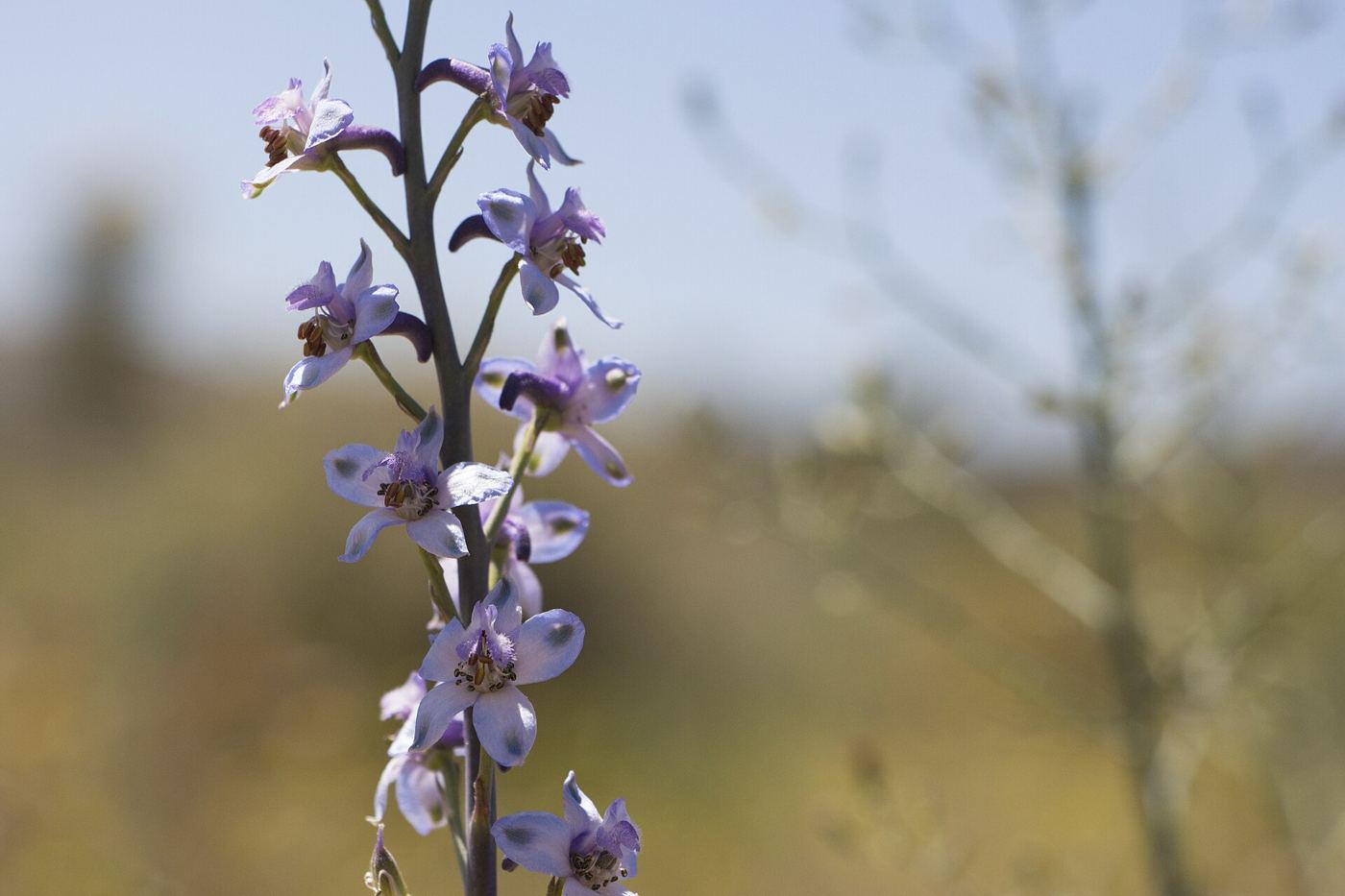
    Pink and purple flowers blooming across the Atacama Desert.

    One of the driest places on Earth has burst into flower. NASA’s Earth Observatory published satellite images on 19 November 2026 showing an extraordinary flowering across parts of northern Chile’s Atacama Desert, a phenomenon known locally as desierto florido, or flowering desert. The images, taken by Landsat 8 on 14 September and Landsat 9 in October, show pink and purple blooms spreading across a landscape that is usually bare rock and sand. The flowering happens when enough rain falls to wake seeds that can lie dormant in the desert soil for years, waiting for water. The Atacama is the driest non-polar desert on Earth, and some weather stations there have never recorded rain, which makes a bloom of this scale a rare event. Scientists say the seeds can survive for years in the dry soil, germinating only when the rains finally arrive.

    What the Evidence Shows

    Desert blooms are more than a spectacle: they are a reminder of how life waits for its moment in extreme places. The seeds of the flowering plants survive for years in dry soil, and when rain finally arrives they germinate quickly, flower, set seed and die within weeks, leaving a new generation of seeds behind. Scientists use satellite images to track these events because they reveal how desert ecosystems respond to rainfall, and how the timing and amount of rain shape what grows. The Atacama bloom also draws visitors and researchers from around the world, though Chile protects the flowering areas to stop people picking the flowers. As rainfall patterns shift with a changing climate, events like this one may become more or less common, and watching them from space is one way to find out. Reporting and analysis from sources such as Nature track the same developments, and specialists following the Atacama Desert bloom say the direction is now consistent across independent lines of evidence.

    The Wider Context

    The wider context is a research landscape in which replication and open data now decide reputations. Findings connected to the Atacama Desert bloom are being checked by independent groups with shared datasets, and the teams involved publish their methods in full so rivals can test every step. That discipline is slower than a headline cycle, but it is why results in this area increasingly survive first contact with scrutiny.

    What Happens Next

    What happens next in the story of the Atacama Desert bloom will be decided by follow-up work already under way: larger samples, longer observation and instruments that have not yet come online. The researchers involved are unusually united on one point, that the current results justify the next investment of time and money. Readers will not have to wait long for the first tests of that claim. You can follow related developments in our coverage of science.

    None of this will be settled by a single announcement, study or product launch. The pattern to watch is accumulation: independent confirmations, honest reporting of failures and steady improvement in the underlying numbers. Readers who follow those signals, rather than the loudest claim of the week, will understand this subject better than most of the commentary surrounding it suggests is possible.

    Atacama Desert flowers satellite images
    Previous ArticleSolar Power Added More Capacity Than Ever in 2024
    Next Article One Year On, the UK Disposable Vape Ban Has Cut Vaping but Not Smoking
    Aiden Reed

    Related Posts

    One Year On, the UK Disposable Vape Ban Has Cut Vaping but Not Smoking

    November 22, 2026

    Solar Power Added More Capacity Than Ever in 2024

    November 21, 2026

    Bowel Cancer Screening Now Offered to Everyone Over 50 in England

    November 21, 2026
    Leave A Reply Cancel Reply

    Search
    Recent Posts

    Repairable Phones Win Buyers Who Keep Devices Longer

    November 8, 2026

    Digital Vaults Help Families Keep Vital Documents Ready

    November 5, 2026

    Software Teams Pair Senior Engineers With AI Code Assistants

    October 29, 2026

    5G and Rural Connectivity: Closing India’s Digital Gap

    October 26, 2026

    Festivals Overhaul Ticketing to Tackle Bots and Resale Abuse

    October 24, 2026

    Technology Shifts Driving Low-Cost Instant Funding Options

    July 8, 2026
    About

    Mahi Tech Info delivers the latest technology news, Android app tips, photo editing tutorials, and in-depth tech guides to enhance digital experiences.

    Offering up-to-date content, practical insights, and expert tips to help navigate the evolving tech world, providing resources for tech enthusiasts and beginners alike, exploring apps, gadgets, and digital trends. #MahiTechInfo

    Facebook X (Twitter) Pinterest LinkedIn VKontakte
    Popular Posts

    Repairable Phones Win Buyers Who Keep Devices Longer

    November 8, 2026

    Digital Vaults Help Families Keep Vital Documents Ready

    November 5, 2026

    Software Teams Pair Senior Engineers With AI Code Assistants

    October 29, 2026
    Contact Us

    If you have any questions or need further information, feel free to reach out to us at

    • Email: contact@outreachmedia .io
    • Phone: +92 3055631208
    • Facebook: Outreahmedia

    Address:461 Park Ave S # 9, New York

    Copyright © 2026 | All Rights Reserved | Mahi Tech Info
    • About Us
    • Contact Us
    • Privacy Policy
    • Disclaimer
    • Terms and Conditions
    • Write For Us
    • Sitemap

    Type above and press Enter to search. Press Esc to cancel.

    WhatsApp us