

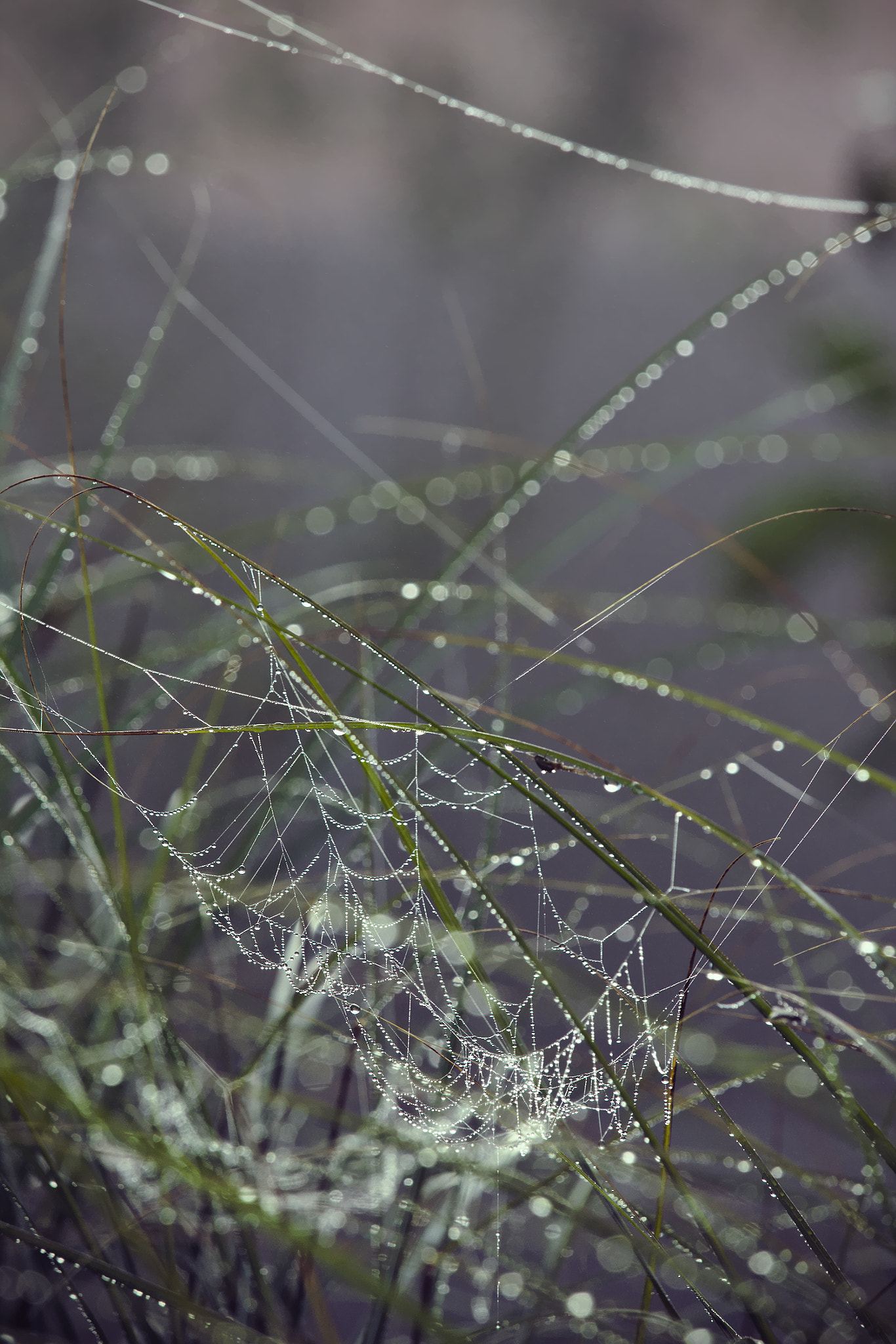
A spider’s web looks delicate enough to be brushed away with a finger, yet the silk it is made from is one of the strongest materials in nature. Pound for pound, some spider silks are stronger than steel and tougher than the synthetic fibres used in bulletproof vests, while remaining light and stretchy enough to absorb the impact of a flying insect without breaking. Spiders produce several kinds of silk from different glands in their bodies: sticky silk for catching prey, strong dragline silk for the web’s frame and safety lines, and soft silk for wrapping eggs. They can switch between types as they work, spinning a whole web in less than an hour, and they recycle the silk by eating old webs to recover the protein.
What the Evidence Shows
Scientists have long wanted to copy spider silk, but spiders are difficult to farm: they eat each other when kept together, and each one produces only a tiny amount of silk. Researchers have instead turned to biotechnology, inserting spider silk genes into bacteria, yeast and even goats, so that the protein can be harvested in larger amounts. The resulting fibres are being tested for uses from surgical stitches that dissolve inside the body to lightweight ropes, clothing and biodegradable packaging. Engineers also study the structure of the silk itself, since its strength comes from tiny crystals buried in a stretchy protein matrix, a combination that synthetic materials struggle to match. The humble garden spider may yet teach industry how to make materials that are both strong and kind to the planet. Reporting and analysis from sources such as NASA track the same developments, and specialists following the spider silk stronger than steel for its weight say the direction is now consistent across independent lines of evidence.
The Wider Context
Funding bodies are watching the spider silk stronger than steel for its weight closely because the work sits at the junction of basic curiosity and practical return. Grant panels increasingly ask for a path from discovery to application, while researchers push back that the most valuable uses of fundamental science are rarely the ones written into the original proposal. The tension is productive when both sides stay honest about timescales.
What Happens Next
The long view on the spider silk stronger than steel for its weight is that fields advance by accumulation rather than by single announcements. This result adds a solid, checkable piece to a structure many teams are building, and its authors have shared their data so the piece can be tested from every side. That is how the picture eventually becomes reliable enough to act on. You can follow related developments in our coverage of science.
It is also worth remembering how quickly the picture in this area has changed before. Positions that looked settled a few years ago have been revised as new data arrived, and the same humility is appropriate now. The strongest coverage of this subject, and the most useful advice, tends to come from sources that update their views openly when the facts move, rather than defending an earlier position long after it has stopped fitting the evidence available.
