

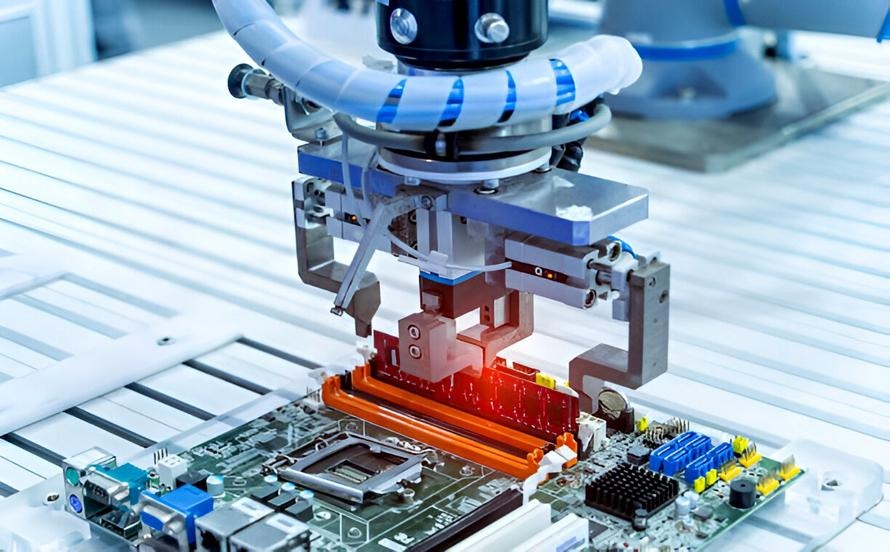
Printed circuit board assemblies are at the heart of modern electronic devices, powering everything from consumer gadgets and industrial machinery to medical equipment and automotive systems. As electronic products become more sophisticated, maintaining assembly quality becomes increasingly important. Even minor defects can lead to performance issues, product failures, costly recalls, and customer dissatisfaction. This is why every manufacturer relies on a comprehensive PCB Assembly Inspection Checklist to verify product quality before shipment.
A well-structured inspection process helps identify defects at every stage of production, ensuring that assembled boards meet design specifications, industry standards, and customer requirements. By implementing a detailed PCB Assembly Inspection Checklist, manufacturers can reduce rework, improve reliability, and enhance overall production efficiency.
Understanding the Importance of a PCB Assembly Inspection Checklist
The primary purpose of a PCB Assembly Inspection Checklist is to ensure that every assembled board functions correctly and meets predefined quality standards. Inspection procedures help identify manufacturing defects that may occur during solder paste printing, component placement, soldering, handling, or testing.
Without proper inspection, defects may go unnoticed until products reach customers, resulting in increased warranty claims, production delays, and damage to brand reputation. Inspection serves as a critical quality control measure that helps manufacturers maintain consistency across production batches.
A thorough checklist also provides traceability and documentation, allowing manufacturers to demonstrate compliance with customer specifications and industry regulations.
PCB Condition Verification
The first step in any PCB Assembly Inspection Checklist involves evaluating the overall condition of the printed circuit board before and after assembly.
Inspectors verify that the board is free from physical damage such as scratches, cracks, warping, delamination, or contamination. The PCB surface should be clean and free of dust, oil, fingerprints, or foreign materials that could affect assembly quality.
Board dimensions, hole locations, and layer alignment should also match design requirements. Any deviations can impact component placement and overall product functionality.
Careful inspection of the PCB foundation helps prevent assembly issues later in the manufacturing process.
Solder Paste Inspection
Solder paste application is one of the most critical stages in PCB assembly. Improper solder paste deposition can result in poor solder joints, insufficient connections, or solder bridging.
As part of the PCB Assembly Inspection Checklist, inspectors verify that solder paste has been applied accurately to all designated pads. The paste volume, shape, and alignment should meet process specifications.
Common defects that inspectors look for include:
- Insufficient solder paste
- Excessive solder paste
- Smearing
- Missing deposits
- Misaligned deposits
Early detection of solder paste issues helps reduce downstream assembly defects and improves overall production yield.
Component Placement Inspection
Accurate component placement is essential for proper circuit functionality. Modern assembly lines use automated pick-and-place machines, but inspection remains necessary to verify placement accuracy.
The PCB Assembly Inspection Checklist should confirm that all components are present, correctly oriented, and positioned according to assembly drawings.
Inspectors evaluate factors such as:
- Component alignment
- Polarity orientation
- Correct component values
- Proper package placement
- Absence of missing components
Even small placement errors can cause circuit failures, making this inspection step particularly important.
Solder Joint Inspection
Solder joints provide the electrical and mechanical connections that allow electronic circuits to function. Poor soldering is one of the most common causes of assembly defects.
A comprehensive PCB Assembly Inspection Checklist includes detailed evaluation of solder joint quality. Inspectors verify that solder joints are smooth, shiny, and properly formed.
Common soldering defects include:
- Cold solder joints
- Solder bridges
- Insufficient solder
- Excess solder
- Voids
- Non-wetting
- Tombstoning
Identifying these issues early helps improve product reliability and reduces the risk of field failures.
Polarity and Orientation Verification
Many electronic components are polarity-sensitive and must be installed in the correct orientation.
Components such as:
- Diodes
- Electrolytic capacitors
- LEDs
- Integrated circuits
- Connectors
require careful inspection to ensure proper placement.
The PCB Assembly Inspection Checklist should include verification of all polarized components against assembly drawings and design documentation.
Incorrect polarity can result in immediate product failure or long-term reliability issues.
Mechanical Assembly Inspection
Beyond electrical functionality, assembled boards must meet mechanical requirements to ensure proper integration into final products.
Inspectors verify:
- Connector alignment
- Mounting hardware installation
- Fastener security
- Mechanical clearances
- Enclosure compatibility
Mechanical issues can affect product assembly, durability, and long-term performance.
A detailed PCB Assembly Inspection Checklist helps identify these concerns before products proceed to final assembly stages.
Automated Optical Inspection
Automated Optical Inspection (AOI) has become an essential tool in modern electronics manufacturing.
AOI systems use high-resolution cameras and advanced software to compare assembled boards against reference data. These systems quickly identify defects such as missing components, placement errors, polarity issues, and soldering problems.
Although AOI significantly improves inspection efficiency, it is most effective when integrated into a broader PCB Assembly Inspection Checklist that includes manual verification and functional testing.
The combination of automated and human inspection helps maximize defect detection rates.
X-Ray Inspection
Certain component packages, particularly Ball Grid Arrays (BGAs) and other hidden-lead devices, cannot be inspected visually.
X-ray inspection allows manufacturers to examine internal solder joints and hidden connections without damaging the assembly.
The PCB Assembly Inspection Checklist should include X-ray evaluation for assemblies containing complex packages where visual inspection alone is insufficient.
This technology helps identify defects such as voids, insufficient solder, bridging, and alignment issues beneath component bodies.
Electrical Verification
Visual inspection alone cannot guarantee proper circuit functionality.
Electrical verification is a critical part of the PCB Assembly Inspection Checklist because it confirms that assembled circuits perform according to design requirements.
Common electrical inspection procedures include continuity testing, isolation testing, voltage verification, and signal integrity analysis.
These tests help identify electrical faults that may not be visible during physical inspection.
Electrical verification ensures that products meet performance specifications before shipment.
Documentation and Traceability Review
Quality inspection extends beyond the physical assembly itself.
Manufacturers should verify that all production records, inspection reports, component traceability information, and process documentation are complete and accurate.
A thorough PCB Assembly Inspection Checklist includes documentation review to support regulatory compliance, quality audits, and future troubleshooting activities.
Proper traceability also helps manufacturers respond quickly if quality concerns arise after product deployment.
Benefits of Implementing a PCB Assembly Inspection Checklist
Organizations that follow a structured inspection process gain numerous advantages.
A detailed PCB Assembly Inspection Checklist helps improve product quality, reduce manufacturing defects, lower rework costs, and increase customer satisfaction. It also supports compliance with industry standards such as IPC requirements and quality management systems.
By identifying problems early, manufacturers can improve production efficiency and reduce overall operational risks.
Consistent inspection practices contribute to stronger product reliability and enhanced brand reputation.
Conclusion
A comprehensive PCB Assembly Inspection Checklist is an essential tool for ensuring quality, reliability, and consistency in electronics manufacturing. From PCB condition verification and solder paste evaluation to component placement inspection, solder joint analysis, electrical verification, and documentation review, each inspection step plays a critical role in preventing defects and improving product performance. As electronic devices become increasingly complex, manufacturers must adopt rigorous inspection procedures to maintain high quality standards and customer satisfaction. When combined with advanced quality assurance methods and PCBA Testing, a well-executed inspection checklist helps ensure that every assembled circuit board meets the demanding requirements of modern electronic applications.